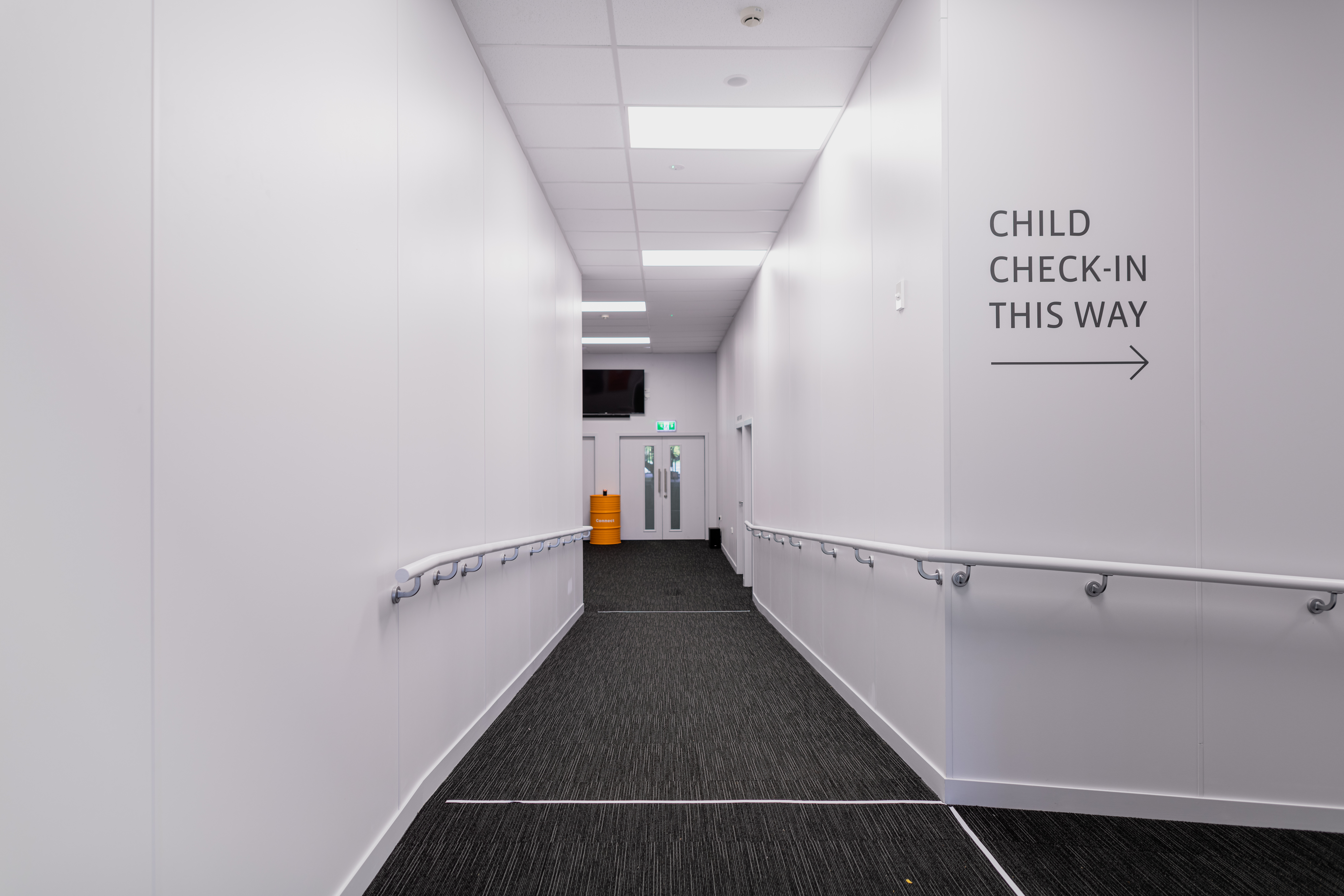

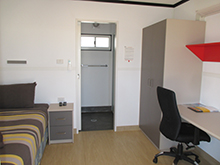
Construction of 500 prefab transportable buildings using Climateline for the walls & ceilings
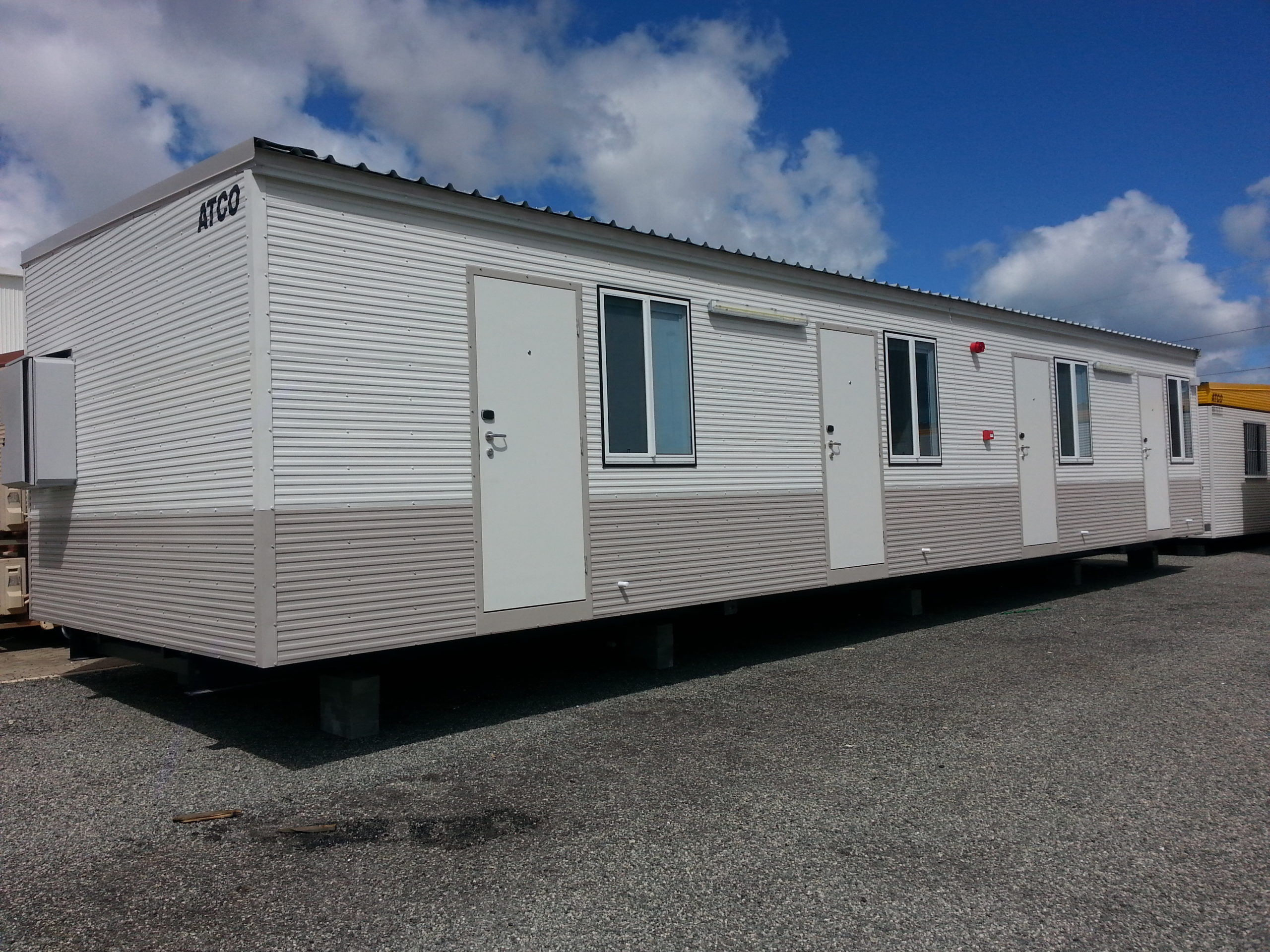
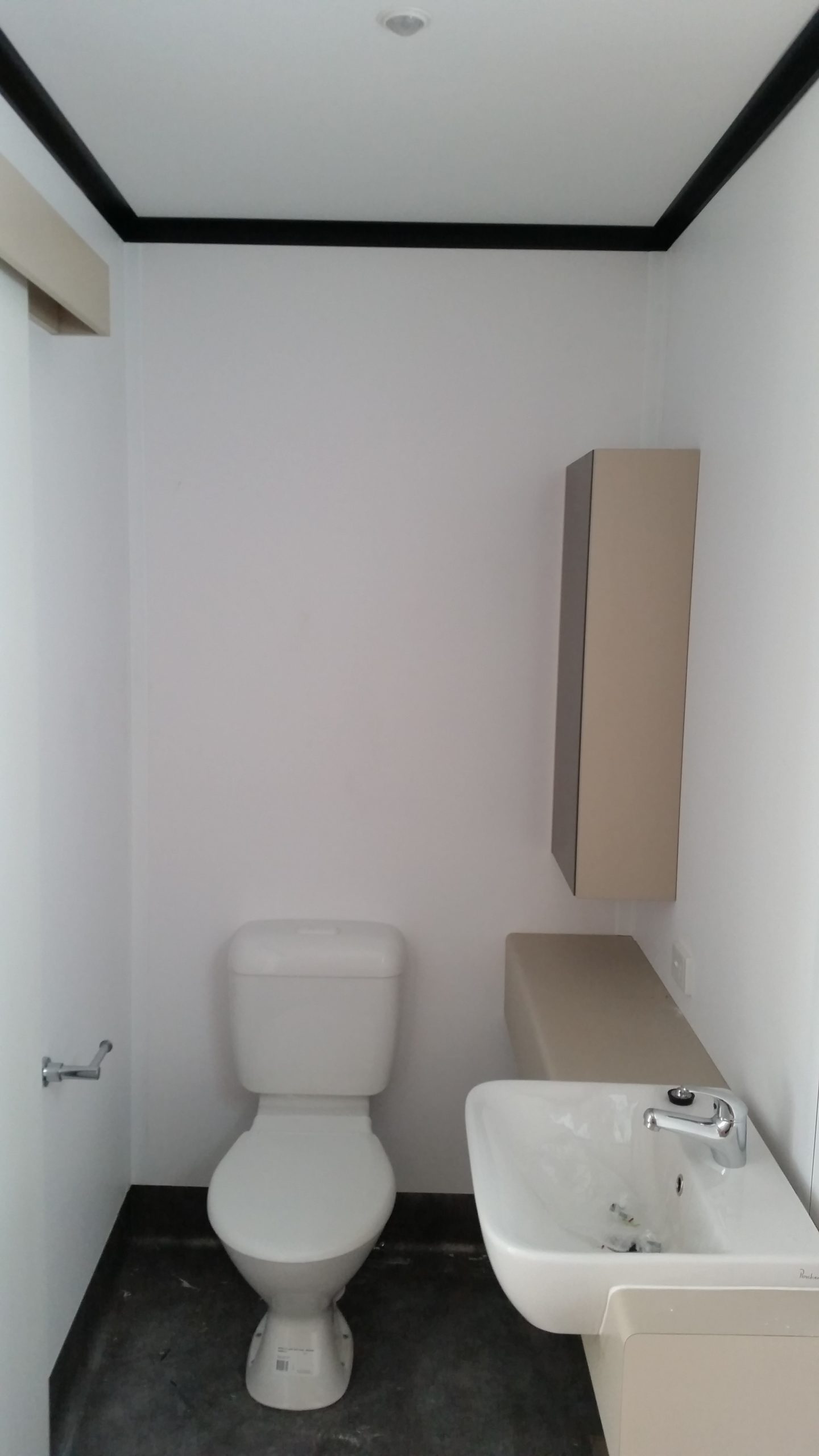
- ClimateLine Standard and Aqua used for lining walls and ceilings
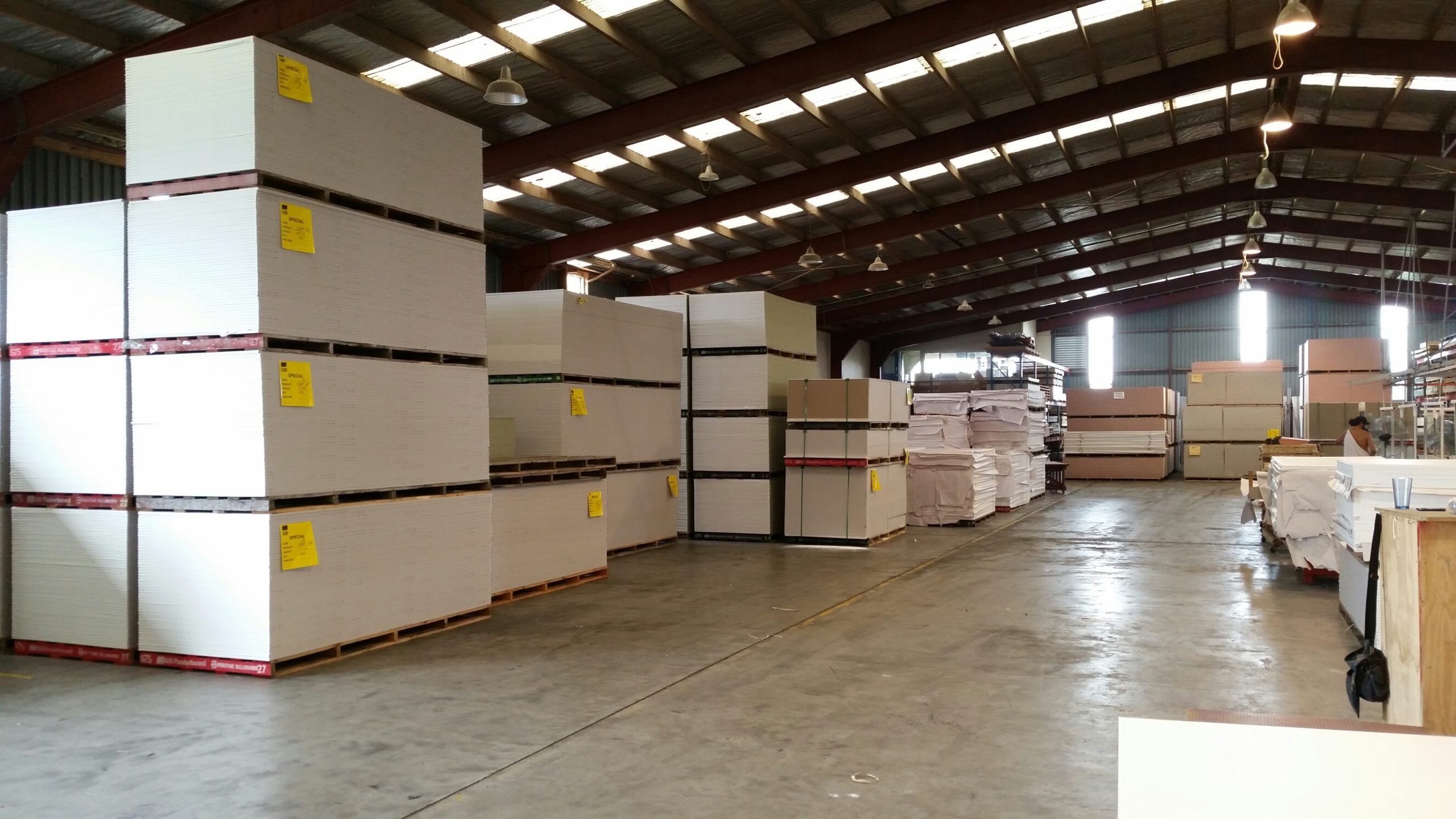
- 145,000m2 of Climateline supplied as cut to size panels
- Delivered significant program efficiencies and reduced waste
March 2016 marked the completion of a landmark eight month project for Climate Surfaces,
supplying 145,000m2 of Climateline powder coated plasterboard sheets to ATCO Structures and Logistics in Western Australia. One of the largest producers of modular buildings in the world operating globally. The project, a workforce accommodation camp for a large natural gas project in Western Australia comprises 500 prefabricated accommodation buildings to house 2000 workers, plus support
service buildings such as dining rooms and ablution blocks.
For ATCO, it was the first time using powder coated plasterboard. General Manager Brad Tucker says that while this presented an element of risk (especially on a project of this scale) he was motivated by the significant advantages and value the product offered both ATCO and their client. A visit to Climate’s factory in Auckland gave Brad the assurance he needed.
 Programme Efficiencies
A key driver for using Climateline was the speed of production it allowed says Brad. “Project time frames were tight, using the pre-finished product meant we didn’t need wet trades on the factory floor which allowed us to easily achieve an ambitious programme of four times (15m x 4.2m) buildings a
day.”
Climate delivered the ClimateLine sheets to ATCO’s plant in Perth; in house lots of cut-to-size panels ready to simply slot into place. Completed units were then transported more than
1500kms to the project site.
Cost SavingsBoard waste was less than 1% compared to the industry standard of 15%, which provided a significant
cost saving. “The price of the material (board for board) is slightly higher than standard plasterboard,” explains Brad. “By the time we added up the cost savings on labour, wastage and clean
up we actualised a cost saving.”
Superior Finish and Performance
Created by the application of Climate’s powder coating, thermally fused to a plasterboard
substrate, Climateline’s finish is consistent, VOC free and durable.
ATCO was extremely pleased to deliver such a high-performing product to the client.
“From a supplier standpoint Climate was one of the success stories of the project,” Brad says. “We are very happy to continue working with Climate and using Climateline.”
Prefinished linings from ClimateLine support Niche Modular’s education builds
Niche Modular builds with purpose using Climateline at a specialist education facility.
Partner content
Prefinished linings from ClimateLine support Niche Modular’s education builds
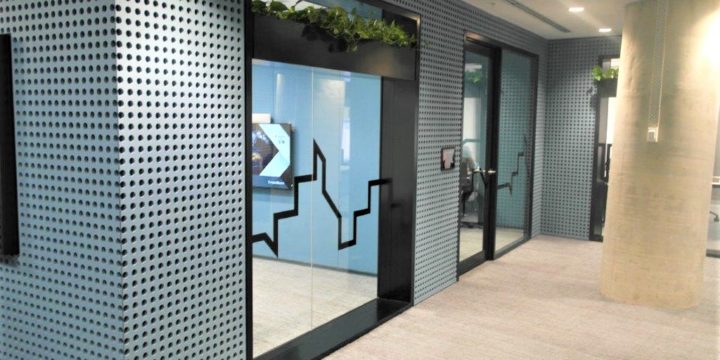
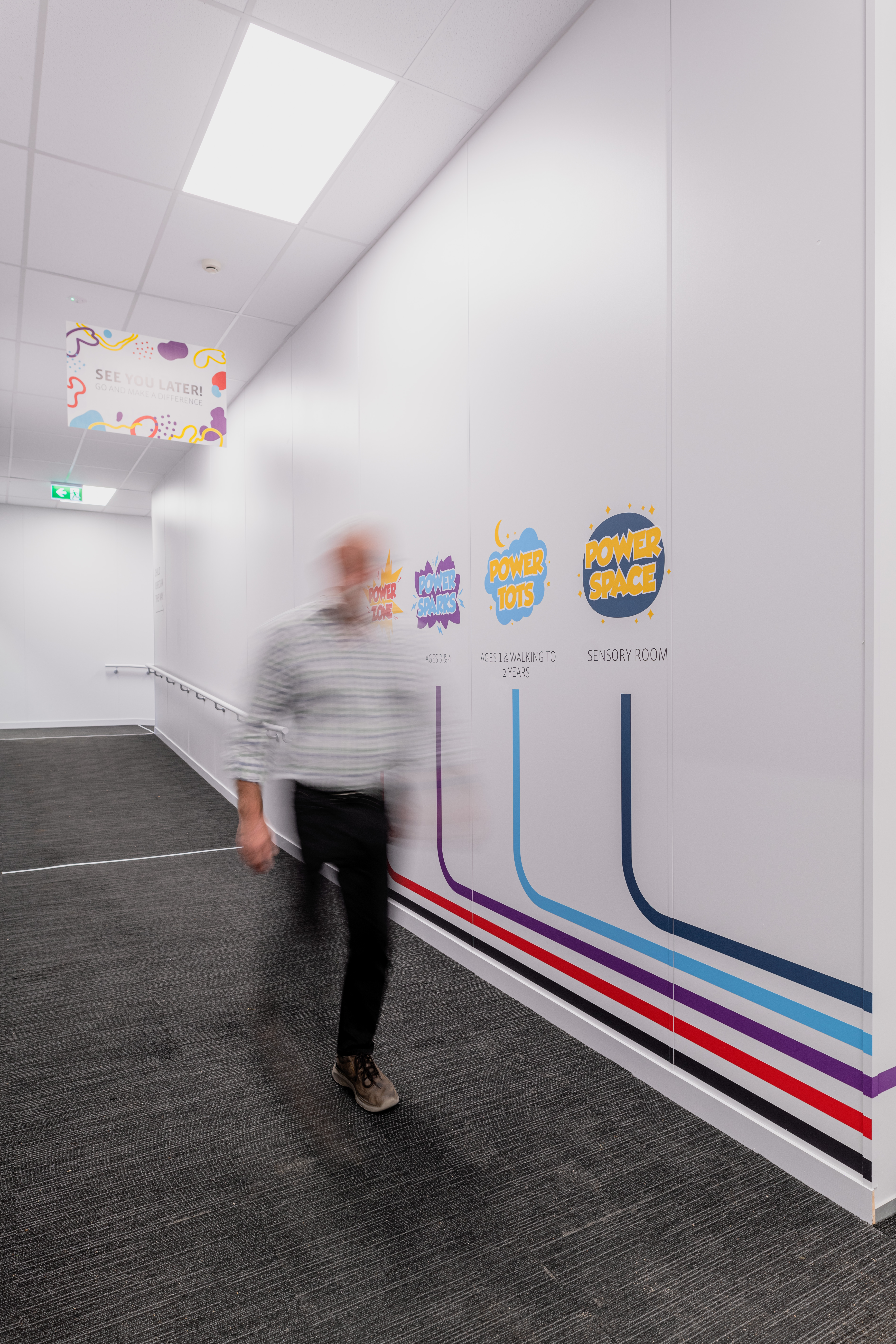
Niche Modular’s delivery of the Mahinawa Specialist School’s newest Satellite Unit at Porirua College, New Zealand, demonstrates how volumetric construction, when matched with aligned materials and systems, can meet complex educational needs with speed, quality and control. (main pic: Mahinawa Specialist School built by Niche Modular.)
Mahinawa caters to students aged 5 to 21 with intellectual, physical, emotional and behavioural challenges. With high staff-to-student ratios and integrated therapeutic and educational support, the school required precise, high-performance interior finishes suitable for a sensitive environment.
For Petone-based Niche Modular, the project aligned well with its modular approach. The company—now New Zealand’s largest modular builder—focuses on delivering 95 per cent of each building offsite. This factory-first strategy enables greater consistency in finishes, quality assurance and speed to site.

“If we can build it in the factory, we will—whether it’s a deck, a stair, or something custom,” said Rick Bell, Business Development Director at Niche Modular. “The goal is always to reduce what needs to be done onsite and improve overall efficiency.”
For Mahinawa, Niche used ClimateLine prefinished plasterboard from Climate Surfaces for all internal wall linings. Designed for prefabricated construction, ClimateLine’s coated GIB substrate removes the need for plastering or painting, reducing both labour and drying time.
“For us, it was the efficiency of being pre-finished while maintaining acoustic value,” said Bell. “It’s glued, not nailed—simple, clean, and it removes trades from the equation.”

Bell estimates that using ClimateLine has led to a significant reduction in internal wall costs compared to traditional methods. “We’re saving around 30 per cent by eliminating fixing, stopping and painting,” he said. “There’s less waste too—everything is cut precisely, and we only trim for skirting.”
That level of simplification matters in modular construction, where the sequencing of factory-based trades must be tightly managed. For Niche, ClimateLine’s prefinished nature contributes to consistent throughput in its Lower Hutt facility, which spans more than 3,500 square metres.
“You don’t want painters and stoppers coming into your factory when your core objective is flow-line production,” Bell said. “It’s quicker, cleaner and reduces rework.”
Mahinawa School’s modules were fully lined, with joinery and services installed prior to transportation. Because the boards are factory-finished, they eliminated the risk of paint cracking or surface delamination during handling and installation.
“Because we’re transporting fully lined modules, we needed a wall finish that would hold up across multiple movements and installations,” Bell said. “We’ve tested other systems, but ClimateLine consistently holds up. No delamination, no cracking, just install and move on.”
The relationship between Niche and Climate Surfaces dates back over seven years, originating from an earlier phase of modular development that preceded Niche Modular’s current structure. That foundation laid the groundwork for ongoing collaboration and has seen ClimateLine become a core part of Niche’s internal fit-out strategy.
“We see ClimateLine as a product that aligns with the offsite methodology,” Bell said. “It’s all about simplification and precision.”
To manage compliance, quality and construction tracking, Niche uses a cloud-based documentation platform that supports both factory and site operations. The system enables digital sign-offs and photographic inspection workflows in place of on-site checks.
“Our local council doesn’t even come to the factory because it’s all documented digitally,” Bell said. “All inspection phases are photographed, logged, and submitted as part of a structured approval process.”
That integrated workflow helps Niche maintain pace and control across multiple projects. The company recently completed Wellington Hills College in just 100 days—a 16-classroom build on a greenfield site.
“It’s unheard of, but it only worked because of the experience we’ve gained beyond traditional construction methods,” Bell said. “It’s things like site works, landing, and the people we have within the company—how efficient they are at design, construction, and the factory.”
While Mahinawa’s scale was modest, its delivery was no less complex. The requirement for hygienic surfaces, reduced trades and minimised site disruption made ClimateLine a natural fit.
With a Group 1-S fire rating and impact resistance suited to institutional settings, the product is designed for health, education and high-traffic environments. For modular builders like Niche, its benefits are magnified by the efficiencies of offsite fabrication.
The Mahinawa School project reaffirms how matching building methodology to material specification delivers both programme and performance benefits. For Niche Modular, it’s an approach grounded in practice.
“We’re not just building boxes,” Bell said. “We’re building systems that work.”
How to Powder Coat MDF
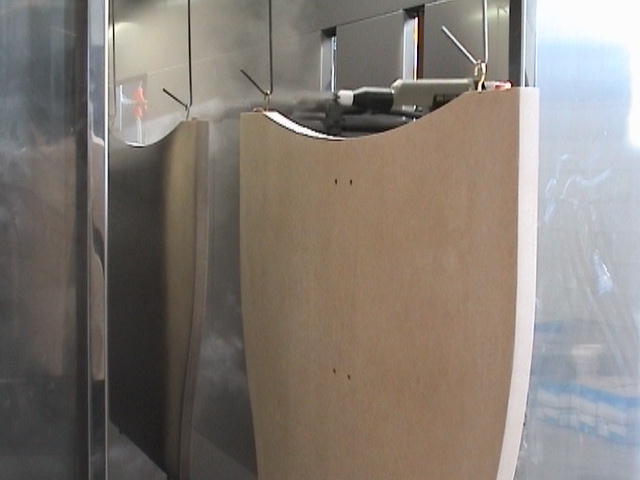
Office furniture ready for powder coating at Climate circa 2004
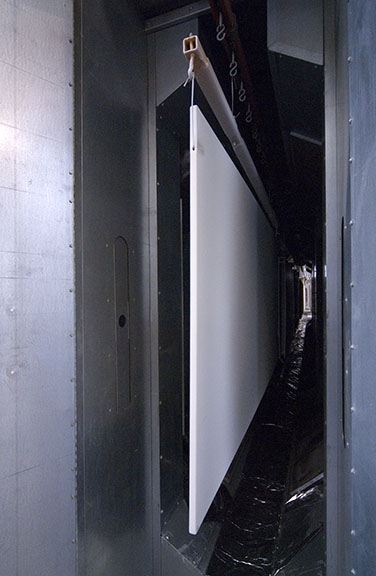
MDF boards entering the cure oven after powder coating
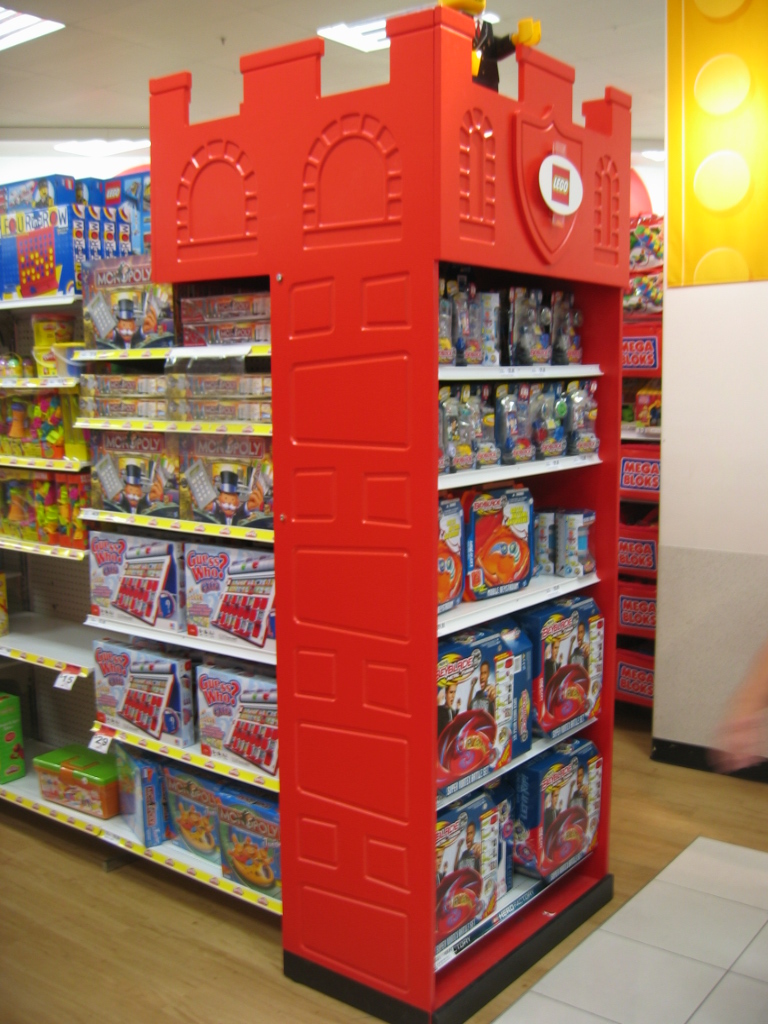
Point of sale displays powder coated all six sides in a custom red for Target retail chain in Australia
Powder coating MDF – why and how?
If you know powder coatings, you know it is designed for protecting and decorating metals, like aluminium and steel. Back in the late 90’s the industry started experimenting with powder coating other materials like MDF for furniture and kitchen cabinetry. While the early days of the technology development didn’t exactly go to plan, the time since has been used to perfect the process.
Why powder coat MDF in the first place? Initially the idea was to offer a more sustainable alternative to solvent based paints and PVC foils for furniture and cabinetry made from MDF. Providing a highly durable, attractive furniture product without the environmental impact. While that’s still true, the limitations of powder on MDF meant the technology didn’t get much of a foothold in the market. Today however, the technology challenges are largely solved and breadth of finishes possible continues to evolve. Which means powder can play a part in improving the manufacturing industries sustainability footprint by lowering carbon emissions, improving air quality, reducing waste, minimising water use and using materials that can be recycled or re-used.
Powder coating MDF process. The process relies on low cure powder formulations that melt, flow and cure as fast as possible to minimise edge cracking, dehydration and off-gassing of the MDF. These powders are available from a range of producers that claim 130c for 3-5 minutes to 140-160c for 5-7 minutes, when cured in an infra-red oven. Powders that cure when exposed to UV light are also available and reduce the cure temperate window to as low as 100c but they require the addition of UV lamps to get the job done.
The electrostatic application of the powder utilises the moisture in the board (ideally 4-8%) to attract the charged powder. Like in metal coating, the substrate needs to be cleanly grounded. The board is lightly pre-heated to around 60c, which helps draw the moisture to the surface and then the powder is applied. Managing film thickness and consistency, particularly on the edges of the MDF, is key to avoid blistering during cure, thick edges and appearance inconsistency. This can be controlled with the use of counter electrodes in the coating booth, positioned opposite the powder applicators, they help prevent a buildup of powder on the edges by drawing excess powder spray away from the part.
The melt, flow and cure the powder is best achieved with infra-red, which is an effective and efficient heating technology. The right wavelength of IR will ensure optimal absorption by the coating and less by the substrate, minimising the impact of high temperatures on the MDF while maximising cure. Ensuring a consistent and even heat profile of the MDF by placement of the IR heaters and reflection of the IR is also key to consistency. IR can be electric or gas powered depending on the degree of surface temperature control required, access to natural gas and energy costs.
Climate Surfaces has been coating MDF for 25 years, not without its challenges. Back in 2004 we pioneered and patented a two-coat process to address some of the shortcomings of the technology. These days the business powder coats MDF panels on a large format horizontal powder coating line. The panels are cut then have an edge tape applied to the edges, just like a joiner or shopfitter would do when working with low pressure melamine panels. Because powder can be produced in any colour for a small minimum order quantity compared to laminates and the colour doesn’t change over time, has meant we’ve supplied a leading NZ supermarket for over a decade. Always the same colour and quality, no colour deletions.
There is a smattering of powder applicators and OEMs around the world that have purpose built coating lines for kitchen cabinetry, furniture or anything where powder can play a part in finishing MDF. Each company has carved out a niche for powder, sometimes on other substrates like plywood or plasterboard. There is still some way to go before powder can rival the incumbent technologies of paint, laminates and foils but it is moving in the right direction in terms of finish options and production formats that can reduce costs.
What’s next for powder coating MDF? Covestro, a leading resin producer for powder coatings, has developed a process called ImFuse®, which combines a fast curing, low bake powder with a hot press curing technique. This enables smooth and high gloss finishes, as well as designs to be imprinted into the coating, giving it a visible structure that can replicate other materials like wood. Powder is also a great base to digital printing onto with any image or design. The end result can replicate other materials or add unique finishes.
Powder coating technology on non-metallic substrates like MDF will continue to find its way into the market as long as there are companies willing to innovate with a very sustainable coating technology. The world needs a dry and efficient coating technology to ensure materials look great and last longer with less impact on the planet and people.
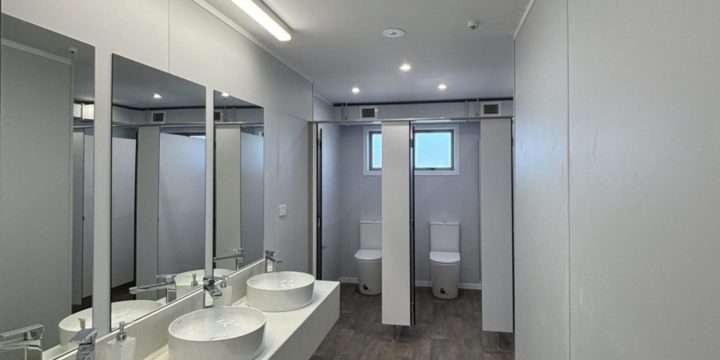
Climateline – an ideal durable lining for wet areas
Wet area and hig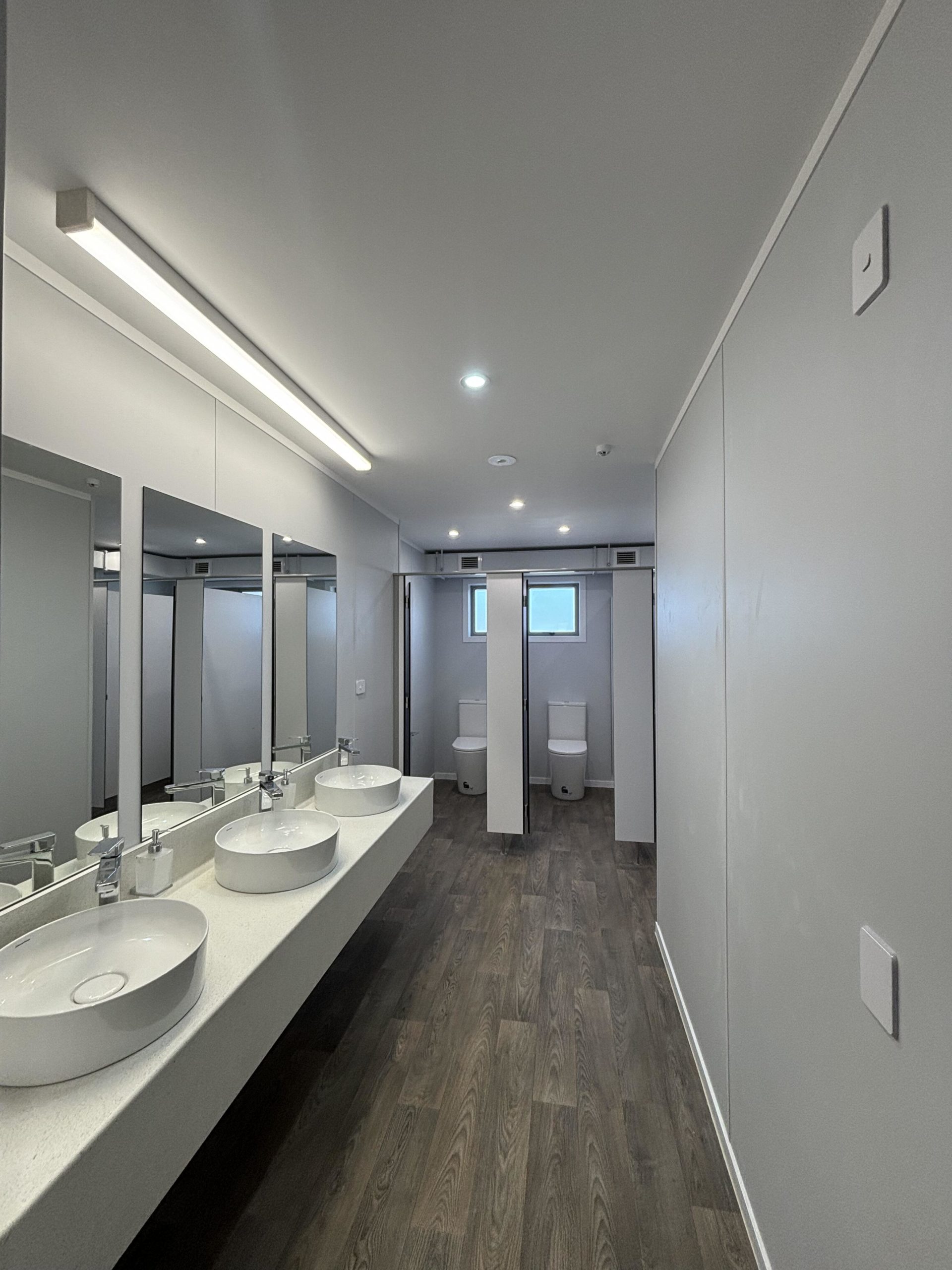 h hygiene wall lining solution made 100% in NZ, that won’t break the budget. Climateline® is a suitable alternative to other pre-finished panels that will save you money, while still delivering the performance required from a factory coated panel product.
✅NZ made Gib® plasterboard with a Climate® powder coated surface
✅Rated Group 1-s reaction to fire so it’s ideal for commercial interiors
✅Moisture & abrasion resistant powder coated surface
✅Now with BioCote® to reduce mould, fungi growth & surface stains
✅Certified Global Greentag
✅Bright white, off-white, matte black, grey + custom colours
✅Standard panel sizes in standard and wet area grade boards
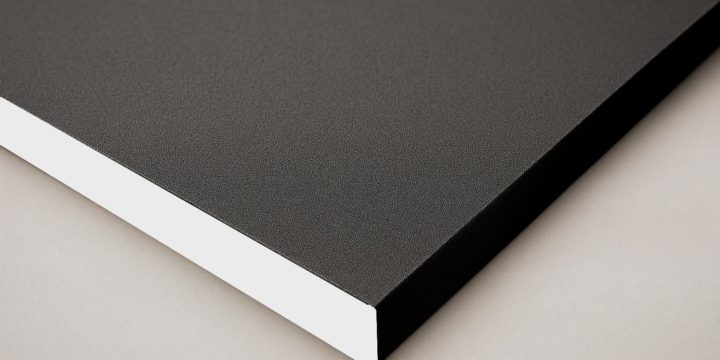
Ecotile – matte black fine texture plasterboard tile
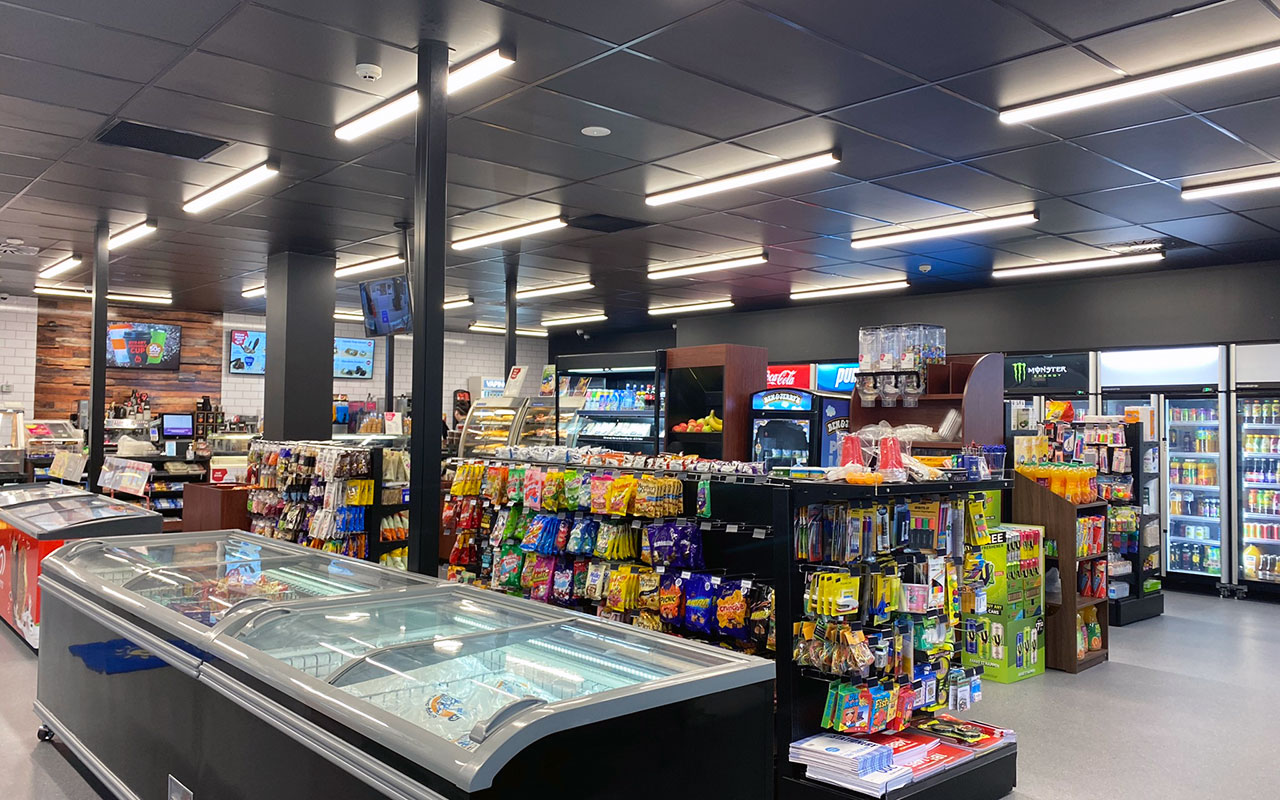
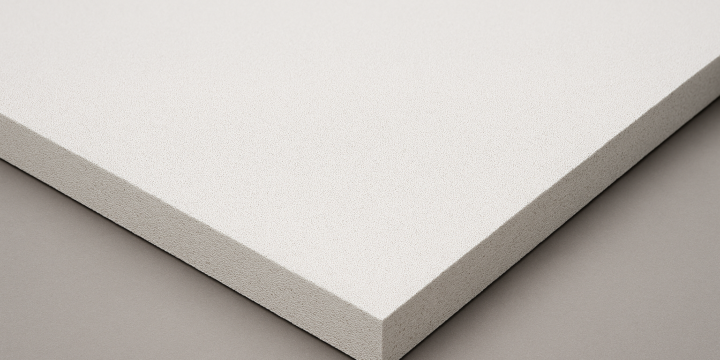
Ecotile™ – NZ made plasterboard ceiling tiles featuring a durable powder coated surface for use in suspended ceiling systems.
The matte fine texture powder coated surface provides a consistent and durable finish where a black finish looks great.
✅NZ made Gib® plasterboard, rated Group 1-s reaction to fire
✅White, black, grey and custom colours
✅No VOC, low carbon footprint (assessment available on request)
✅Moisture & abrasion resistant surface that’s easy to wipe clean
✅Now with BioCote® built into the coating to reduce mould & fungi growth & staining
✅Certified Global Greentag – easy assessment of contributions towards NZ green building standards
✅CAC 43 & light reflectance value 94
✅Standard size plus 600x600mm made to order
Ideal for retail, hospitality, offices, aged care, medical facilities…. anywhere an economic and hygienic ceiling lining is needed. Used in commercial interiors since 2006.
Available from Comfortech nationwide.
https://www.comfortech.co.nz/our-products/ceilings/plasterboard-ceiling-systems/climateline-eco-tile/

Pre-finished Plasterboard: 60% Faster Than Painting Walls
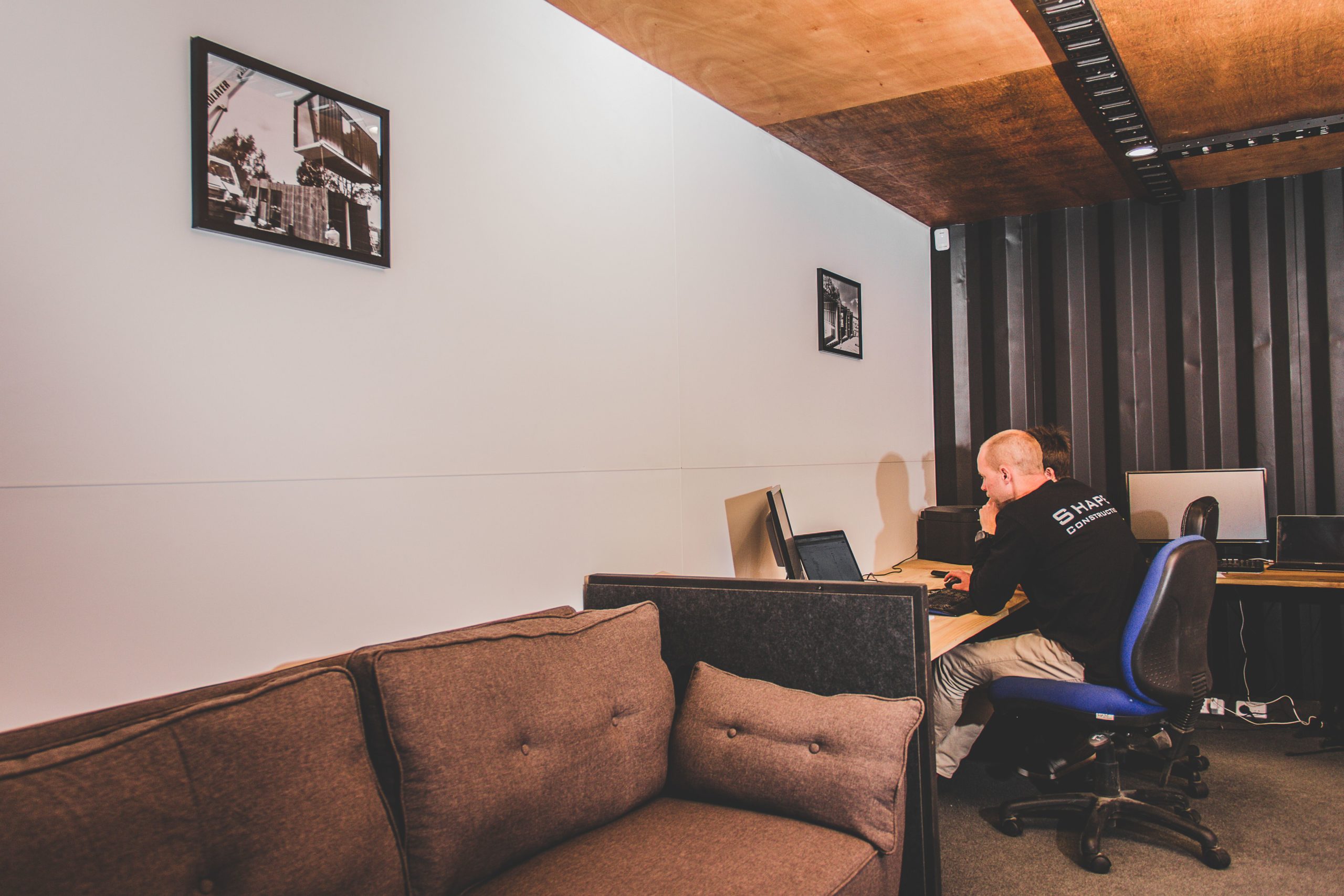 Plasterboard is the primary material of choice in New Zealand for the interior surface of walls and ceilings. Plasterboard is economic, easy to install, fire-resistant, non-toxic, long-lasting, repairable and usually manufactured locally. A limiting attribute, however, is that the finishing methodology is very laborious and slow; it requires significant downtime while waiting for the plaster and paint to dry. Clients expect monolithic walls where plasterboard is concerned, and while improvements on method and materials have been made to speed up the finishing process, it remains an inefficient process no matter the increments of advance.
Some solutions include an experimental initiative in Japan using a robot to install the product. Another is to eliminate joins entirely by using very large boards installed at a factory or site, be it gypsum or wood-based materials. Another solution somewhere in-between these and somewhat more practical is to eliminate the plaster and paint process. This would mean that a room which takes 40 hours to plaster and paint including the drying times, would only take 24 hours. In the prefab context, this idea plays an even more important role by increasing production output significantly by eliminating application and drying times of plaster and paint. Production output and reduced lead times equate to significant savings that could be passed onto the client.
In order to address the preference for a monolithic finish while unlocking the productivity potential for a pre-finished panelised plasterboard system, Climate has developed a longer and wider sheet that is up to 4.8m long x 1.35m wide, to enable a horizontal fixing format suitable for most wall sections. This is complemented by a slim profile aluminium extrusion finished with the same powder coating as the powder coat board surface for a perfect match. The resulting look is a contemporary and clean appearance with a single horizontal line. This simple yet profound change enables the industry to unlock the significant economic value of such a method while delivering a finish the client will value.
Pre-finished Plasterboard Saves Time in Warehouse Conversion Project
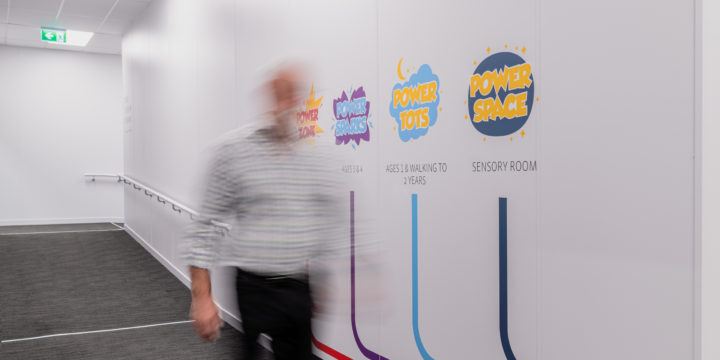


The construction of the new ELIM Christian Centre in Pukekohe has seen an old factory converted into a modern church with a main auditorium for 350 people along with breakout rooms for various activities. To modernise the interior and make it fit for purpose, the ELIM team chose to line existing and new partition walls with ClimateLine pre-finished plasterboard panels with matching aluminium joiners.
“We wanted to achieve a very modern, sharp look,” explains Project Manager, Bill Kathagen, ELIM. “We could have used paint, but we’d heard about Climate’s pre-finished product and thought it’d be very good for our project. The main benefit for us was that the surfaces are pre-painted and pre-coloured.”
For the walls of the 350-person auditorium, 10mm ClimateLine powder coated in Black matt finish with the new Slimline jointer was selected. “We went with the black so that we could easily control the artificial lighting in the auditorium,” explains Bill. With the high walls of the auditorium, installing pre-finished plasterboard simplified the construction process. “The walls are massive — 6m high and 20m long,” says Bill. “If it had just been finished with ordinary plastered joints and painted, it would have been a very big job. It would have been extremely difficult to get it as clean and tidy as this product.”
In the break-out areas, the ELIM team opted for ClimateLine powder coated in Resene Half Iron, a light off-white which helps create a sense of space in those rooms. “The walls in these spaces are still very high at 4m, so the lighter coloured walls create a nice, light airy feel,” says Bill.
Installation of the wall linings was completed by FBS. While the large panels made for a big installation job, the process was quick and simple with linings attached to lightweight steel framing. For Phill Ford, Builder, FBS, the use of Climate’s products helped simplify the job. “There’s no plastering, no sanding, no dust, no painting, no fumes,” he says. “I haven’t seen anything like that here in NZ before.” With the ELIM centre located next to a food preparation facility, the minimisation of dust was a huge benefit.
Phill adds that should any damage occur, repairs will be simple and cost-effective. “If you get a hole you don’t need a builder, a plasterer and a painter, you just take the sheet off and replace it, so that’s a real advantage.”
With the time-saving benefits and high-quality finish of the ClimateLine plasterboard system, both client and builder are very pleased with the final result — sleek, low-maintenance walls for the church interior. “It’s exceeded our expectations,” says Bill, “It looks fantastic and has saved us time and money in terms of plastering and painting.”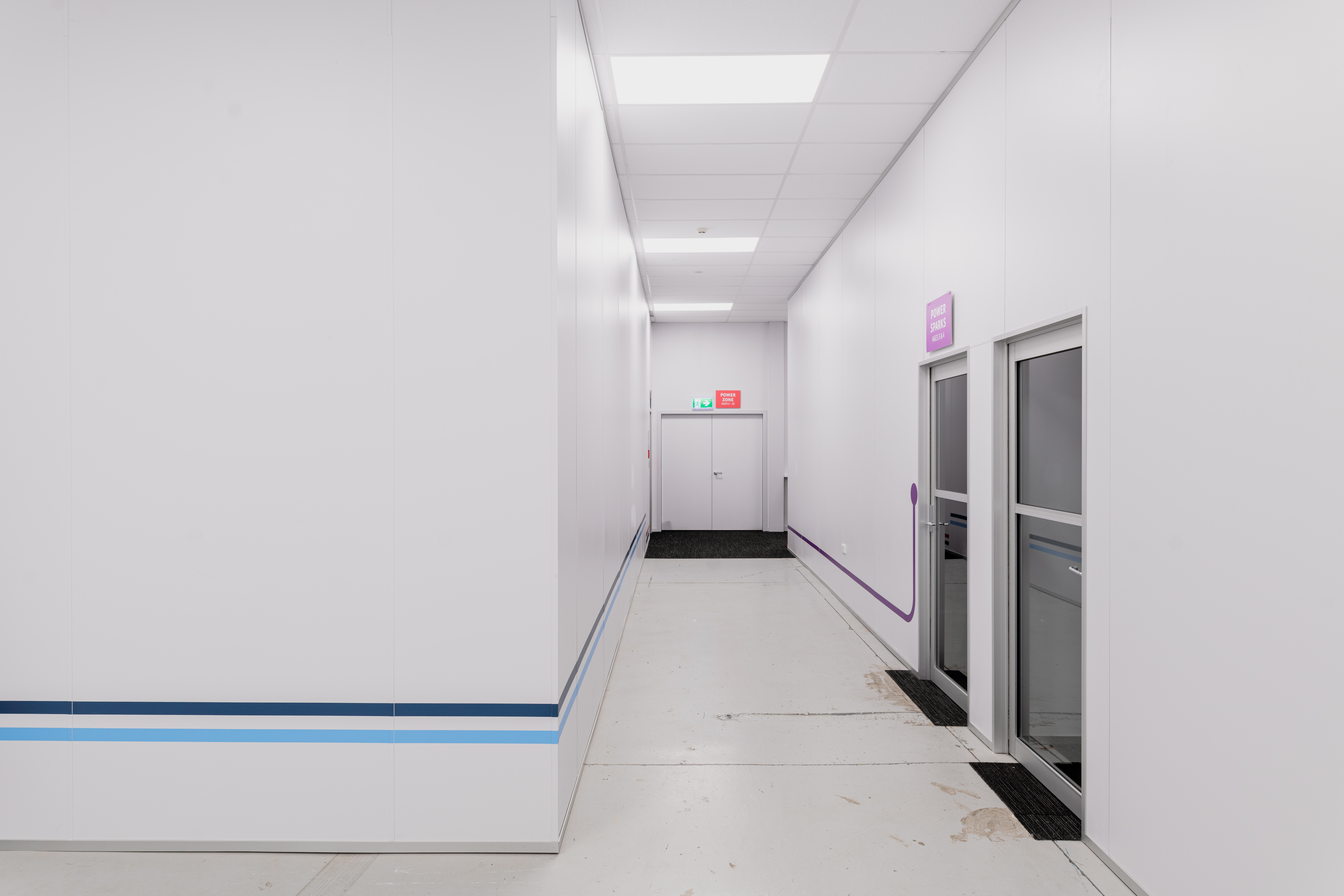
3.6m boards in custom colour
Matt Black

Anodized aluminium skirting